

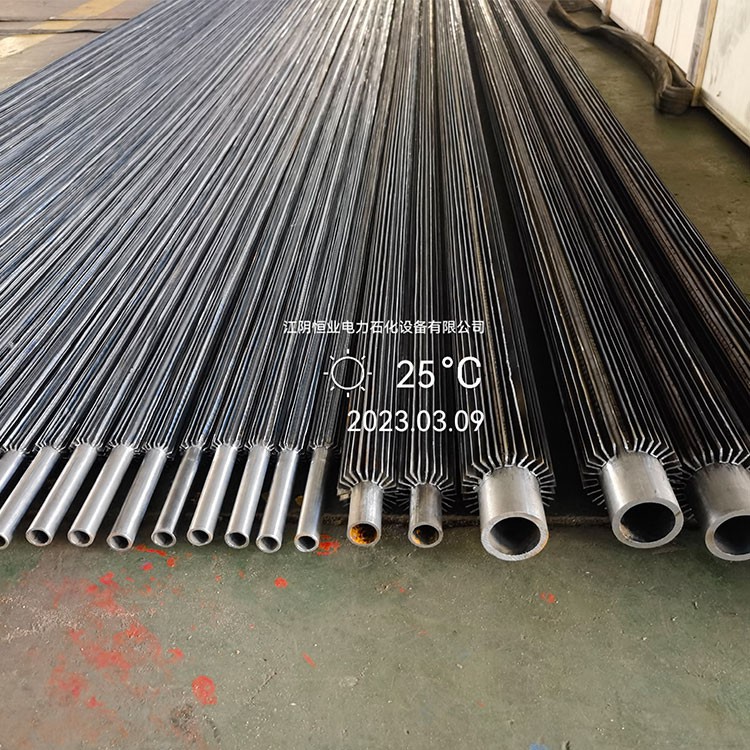
As a supplier of Laser Welded Stainless Finned Tubes, I understand the importance of proper storage for these high - quality products. Laser welded stainless finned tubes are widely used in various industries such as power generation, chemical processing, and HVAC systems due to their excellent heat transfer performance and durability. In this blog, I will share some scientific and practical ways to store these tubes to maintain their quality and performance.
1. Understanding the Characteristics of Laser Welded Stainless Finned Tubes
Before discussing storage methods, it's crucial to understand the characteristics of laser welded stainless finned tubes. These tubes are made of stainless steel, which is known for its corrosion resistance. However, they can still be affected by environmental factors such as humidity, chemicals, and mechanical damage. The fins on the tubes are laser - welded, which provides a strong bond but also makes them more vulnerable to bending or damage if not handled properly.
2. Storage Environment
Temperature
The storage temperature should be kept within a stable range. Extreme temperatures can cause thermal expansion or contraction of the stainless steel, which may lead to stress on the welded joints and the fins. A temperature range between 10°C and 30°C is generally recommended. High temperatures can accelerate the oxidation process, while low temperatures may cause moisture to condense on the tubes, increasing the risk of corrosion.
Humidity
Humidity is one of the most critical factors in tube storage. High humidity levels can lead to the formation of rust and corrosion on the stainless steel surface. The relative humidity in the storage area should be maintained below 60%. To achieve this, dehumidifiers can be installed in the storage facility. In addition, proper ventilation is essential to prevent the accumulation of moisture. Good ventilation helps to remove humid air and replace it with dry air.
Chemical Exposure
The storage area should be free from chemicals that can react with stainless steel. Chemicals such as acids, alkalis, and salts can cause corrosion on the tube surface. Avoid storing the tubes near areas where chemical processing or cleaning activities are carried out. If possible, use a dedicated storage room for the laser welded stainless finned tubes.
3. Storage Location
Indoor Storage
Indoor storage is highly recommended for laser welded stainless finned tubes. An indoor facility can provide better protection against environmental factors such as rain, snow, and direct sunlight. It also allows for better control of temperature and humidity. The storage area should be clean and dry, and free from dust and debris.
Elevated Storage
Tubes should be stored on elevated racks or pallets. This helps to prevent contact with the floor, which may be damp or contaminated. Elevated storage also facilitates air circulation around the tubes, reducing the risk of moisture accumulation. Make sure the racks or pallets are strong enough to support the weight of the tubes without bending or collapsing.
Separation from Other Materials
It's important to separate the laser welded stainless finned tubes from other materials, especially those that may cause damage or corrosion. For example, avoid storing the tubes in contact with carbon steel, as the difference in electrochemical potential can lead to galvanic corrosion. Also, keep the tubes away from abrasive materials that may scratch the surface of the tubes.
4. Packaging
Original Packaging
If the tubes come with original packaging, it's best to keep them in it during storage. The original packaging is designed to provide some level of protection against physical damage and environmental factors. It may include cushioning materials to prevent the tubes from colliding with each other.
Additional Protection
For added protection, you can use plastic sheeting or shrink - wrap to cover the tubes. This can further prevent dust, moisture, and scratches. Make sure the plastic covering is tightly sealed to keep out moisture.
5. Handling During Storage
Minimize Movement
Once the tubes are stored, minimize unnecessary movement. Frequent handling can increase the risk of damage to the fins and the welded joints. If you need to move the tubes, use proper lifting equipment such as forklifts or cranes. Make sure the lifting equipment is equipped with soft pads or straps to avoid scratching the tube surface.

Inspection
Regularly inspect the stored tubes for any signs of damage, corrosion, or deformation. Check the fins for any bending or breakage, and the welded joints for any signs of cracking. Early detection of problems can help prevent further damage and ensure the tubes are in good condition when they are ready for use.
6. Long - Term Storage Considerations
Coating
For long - term storage, you may consider applying a protective coating to the tubes. There are various types of coatings available, such as anti - corrosion coatings and lubricating coatings. These coatings can provide an additional layer of protection against corrosion and wear. However, make sure the coating is compatible with the stainless steel material and the intended application of the tubes.
Documentation
Keep detailed documentation of the stored tubes, including the date of storage, batch number, and any inspection results. This information can be useful for quality control and traceability purposes. It also helps to ensure that the oldest tubes are used first, following the first - in - first - out (FIFO) principle.
7. Conclusion
Proper storage of laser welded stainless finned tubes is essential to maintain their quality and performance. By controlling the storage environment, choosing the right storage location, using appropriate packaging, and handling the tubes carefully, you can ensure that the tubes remain in good condition until they are ready for use.
If you are interested in our Laser Welded Finned Tube, Welded Longitudinal Finned Tubes, or Longitudinal Fin Tube for Heavy Duty Constructions, please feel free to contact us for more information and to discuss your procurement needs. We are committed to providing high - quality products and excellent service to our customers.
References
- Stainless Steel Handbook, ASM International
- Guidelines for Storage of Metal Products, ASTM International