

Can LL - finned tubes be used in power plants?
As a supplier of LL - finned tubes, I often get asked whether these tubes can be effectively used in power plants. In this blog, I will delve into the technical aspects, advantages, and potential applications of LL - finned tubes in the context of power generation.
Understanding LL - finned tubes
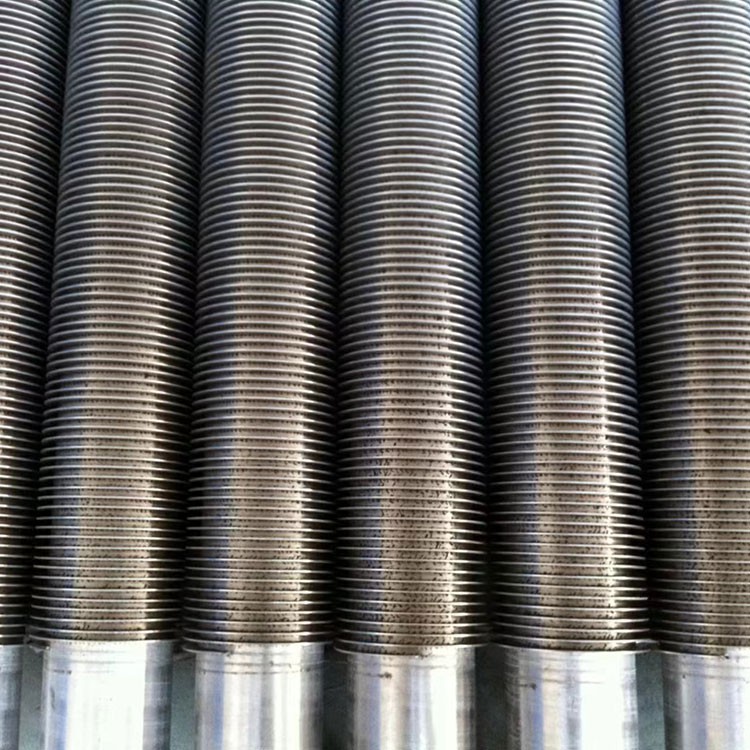
LL - finned tubes, as their name suggests, have a unique fin design. The fins are arranged in a way that maximizes the heat transfer surface area while maintaining structural integrity. You can learn more about LL - finned tubes on our website LL - finned Tube. These tubes are typically manufactured using advanced techniques that ensure a strong bond between the fins and the base tube. This bond is crucial as it directly affects the heat transfer efficiency and the overall durability of the tube.
In comparison to other types of finned tubes, such as H - finned Tube, LL - finned tubes offer some distinct advantages. The shape and arrangement of the fins in LL - finned tubes allow for better fluid flow around the tube, reducing the pressure drop and improving the heat transfer coefficient.
Heat transfer requirements in power plants
Power plants, whether they are coal - fired, gas - fired, or nuclear, rely heavily on efficient heat transfer processes. In a coal - fired power plant, for example, heat is generated by burning coal in a boiler. This heat is then transferred to water to produce steam, which drives a turbine to generate electricity. The efficiency of this heat transfer process directly impacts the overall efficiency of the power plant.
Similarly, in a gas - fired power plant, the combustion of natural gas releases heat, which needs to be effectively transferred to the working fluid. Nuclear power plants also require precise heat transfer to control the temperature of the reactor core and generate steam for power generation.
Advantages of LL - finned tubes in power plants
High heat transfer efficiency
One of the primary advantages of using LL - finned tubes in power plants is their high heat transfer efficiency. The increased surface area provided by the fins allows for more heat to be transferred between the fluid inside the tube and the surrounding medium. This means that less energy is wasted, and the power plant can operate more efficiently. For example, in a boiler application, LL - finned tubes can help to transfer more heat from the hot flue gases to the water, resulting in more steam production for a given amount of fuel.
Corrosion resistance
Power plants often operate in harsh environments where corrosion can be a significant problem. The fluids used in power plants, such as water and steam, can contain various impurities that can corrode the tubes over time. LL - finned tubes can be made from materials that are highly resistant to corrosion, such as Laser Welded Stainless Finned Tube. Stainless steel is known for its excellent corrosion resistance, which helps to extend the lifespan of the tubes and reduce maintenance costs.
Structural integrity
The design of LL - finned tubes provides good structural integrity. The fins are firmly attached to the base tube, which can withstand the high pressures and temperatures typically encountered in power plants. This reduces the risk of tube failure, which can lead to costly downtime and safety hazards.
Potential applications in power plants
Boiler systems
In boiler systems, LL - finned tubes can be used in the economizer, superheater, and reheater sections. In the economizer, the tubes pre - heat the feedwater using the waste heat from the flue gases. The high heat transfer efficiency of LL - finned tubes allows for more effective pre - heating, reducing the energy required to heat the water to the boiling point in the boiler.
In the superheater and reheater sections, LL - finned tubes can help to increase the temperature of the steam, improving the efficiency of the turbine and the overall power generation process.
Condenser systems
Condensers are used in power plants to convert the steam back into water after it has passed through the turbine. LL - finned tubes can be used in condensers to enhance the heat transfer between the steam and the cooling water. The efficient heat transfer helps to condense the steam more quickly, reducing the back pressure on the turbine and improving the overall efficiency of the power plant.
Considerations when using LL - finned tubes in power plants
Compatibility with existing systems
Before installing LL - finned tubes in a power plant, it is essential to ensure their compatibility with the existing systems. This includes considering factors such as the size, shape, and material of the tubes, as well as the flow rate and temperature of the fluids. Modifications may be required to the piping and support structures to accommodate the new tubes.
Maintenance requirements
Although LL - finned tubes are generally durable, they still require regular maintenance. This includes cleaning the tubes to remove any deposits that may accumulate on the fins and inspecting the tubes for signs of wear or damage. Proper maintenance is crucial to ensure the long - term performance of the tubes and the overall efficiency of the power plant.

Conclusion
In conclusion, LL - finned tubes have great potential for use in power plants. Their high heat transfer efficiency, corrosion resistance, and structural integrity make them a suitable choice for various applications in power generation. Whether it is in boiler systems or condenser systems, LL - finned tubes can help to improve the efficiency and reliability of power plants.
If you are a power plant operator or engineer looking for high - quality finned tubes for your power plant, I encourage you to consider LL - finned tubes. We, as a reliable LL - finned tube supplier, are committed to providing you with the best products and technical support. If you are interested in learning more or discussing your specific requirements, please feel free to contact us for a detailed procurement discussion.
References
- Incropera, F. P., & DeWitt, D. P. (2002). Fundamentals of Heat and Mass Transfer. John Wiley & Sons.
- Kakac, S., & Pramuanjaroenkij, A. (2005). Heat Exchangers: Selection, Rating, and Thermal Design. CRC Press.